
 +86 15340683922
 +86 15340683922
الوصف
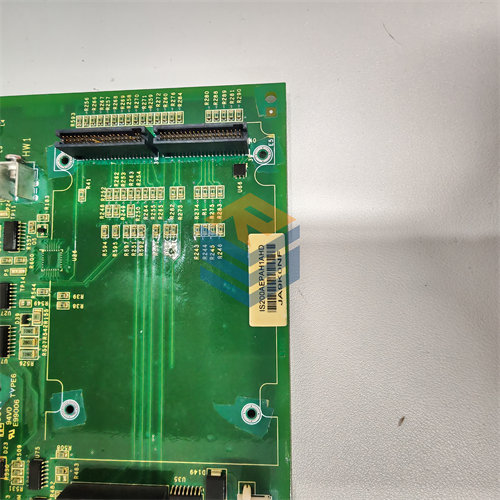
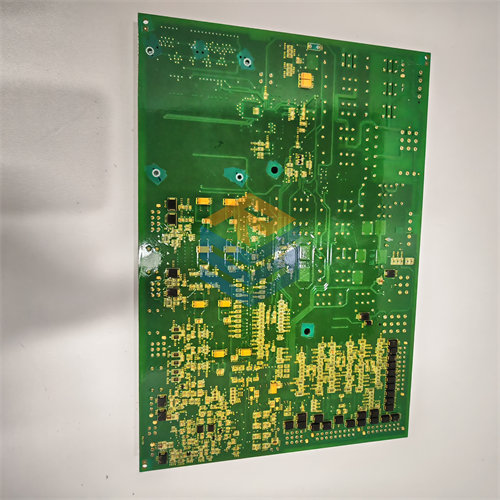
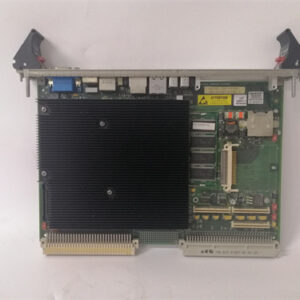
That specific part number, DS200TCEAG2B, refers to an Emergency Overspeed Board manufactured by General Electric (GE), which is a critical component typically found in their GE Speedtronic Mark V Series Turbine Control Systems.
Here is a breakdown of its key functions and role:
⚙️ Primary Function: Emergency Overspeed Protection
The main purpose of the DS200TCEAG2B (also known by its functional acronym TCEA) is to provide high-speed protection circuitry for a turbine.
- Monitoring: It constantly monitors the turbine shaft speed (both high and low pressure shafts) using magnetic pick-ups.
- Trip Signal Processing: It is responsible for processing overspeed and flame detection trip signals.
- Emergency Trip: If the board detects that the turbine speed has exceeded the configured emergency trip threshold, or if a flame detection trip signal is received, it initiates a unit shutdown by sending a trip signal to the Turbine Trip Board (TCTG).
🛡️ Role in the Mark V System
The Mark V control system is designed with triple redundancy for critical functions, and the TCEA board plays a role in this:
- Protective Core (P1): The TCEA boards reside in the Protective Core (P1) of the Mark V system, where three identical TCEA boards (X, Y, and Z processors) operate in parallel.
- Voting Logic: Each of the three TCEA boards sends its own trip signal to a separate relay on the Turbine Trip Board (TCTG). The TCTG board then uses a 2-out-of-3 (2/3) voting logic to determine if the turbine should actually trip, ensuring maximum safety and preventing spurious shutdowns.
- Other Signals: In addition to overspeed and flame detection, the TCEA boards also handle signals for automatic synchronization and other shaft speed data.
In essence, the DS200TCEAG2B is the safety-critical hardware that ensures the turbine does not reach a catastrophic speed or experience other immediate danger conditions.