
 +86 15340683922
 +86 15340683922
الوصف
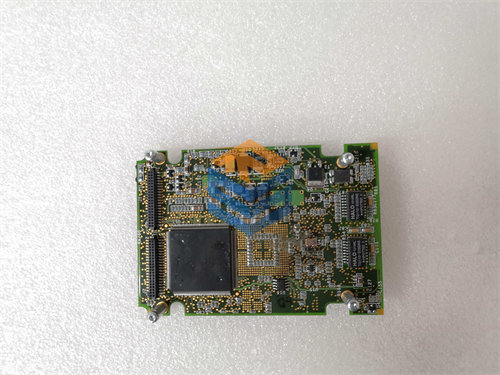
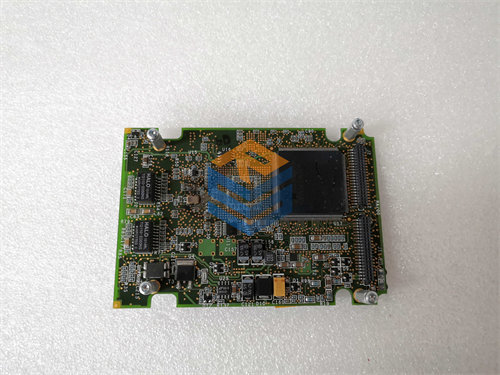
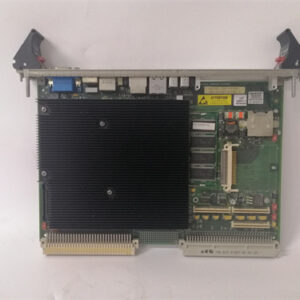
The GE DS200TCEAG2BTF Emergency Overspeed Board (TCEA) is a crucial component of the General Electric Mark V Speedtronic Control System, which is used for governing and protecting large gas and steam turbines.
⚙️ Primary Function and Role
- Emergency Protection: Its main function is to act as the high-speed protection circuitry for the turbine, ensuring safety by monitoring the shaft speed and initiating an emergency shutdown if an overspeed condition is detected.
- Protective Core: It is located in the Protective Core of the Mark V system. Typically, three TCEA boards (often designated R, S, and T) are used in a redundant configuration.
- Voting Logic: The emergency trip signals from the three TCEA boards are sent to the Turbine Trip Board (TCTG). The TCTG uses a 2-out-of-3 vote system based on relay driver-level voting to determine if the turbine should trip, thus preventing a false shutdown from a single board failure.
- Other Signals: In addition to shaft speed (high and low), the TCEA boards also handle signals for flame detection and automatic synchronization.
- Data Processing: The board conditions and scales its input signals (speed, flame, etc.) and transmits the data over the IONET to other components in the control system. The I/O Engine in the core processes data from all three TCEA boards, performs a median select, and sends the results to the Control Engine.
💻 Key Components and Configuration
- Microprocessor: The board features an internal microprocessor (often an Intel 80196) which executes firmware stored in PROM modules.
- Jumper Settings: It includes numerous jumpers (up to 30) that allow the installer to configure the board’s operational parameters, such as setting base speed, overspeed values, and hardware jumper settings for trip frequency.
- Connectors: It has multiple connectors for interfacing with other Mark V components:
- JK: Connects to the TCEB board for expansion signals.
- JL: Carries the trip signals to the TCTG (Turbine Trip Board).
- JW: Delivers power for flame detectors to the TCEB board.
- JX1/JX2: Daisy-chained IONET connectors for communication.
The DS200TCEAG2BTF is a specific revision (G2B with T and F revisions) of the base DS200TCEA Emergency Overspeed Board, designed specifically for the rigorous demands of GE Mark V Speedtronic Turbine Control Systems in power generation and industrial applications.