
 +86 15340683922
 +86 15340683922
الوصف
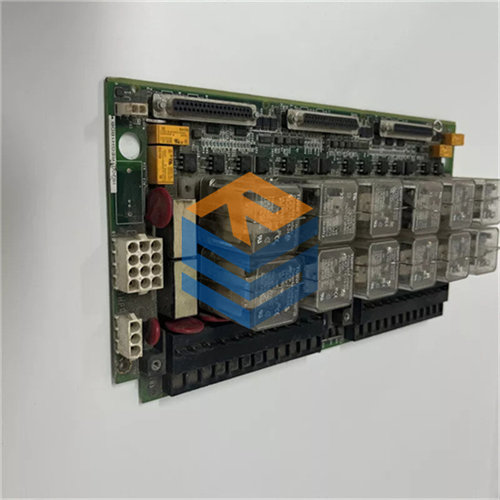
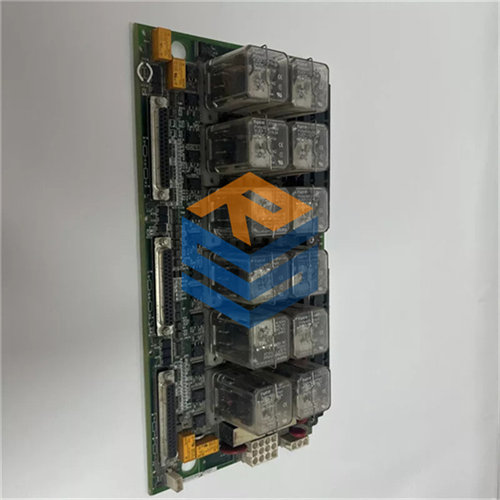
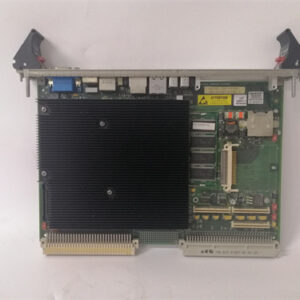
The GE DS200UDSAG1 is an Excitation Board manufactured by General Electric for use in their Mark V Speedtronic Turbine Control Systems (DS200 Series).1
This board is an integral component for managing and regulating the excitation system of the generator, which is crucial for controlling output voltage and reactive power.
⚡ Key Function and Features
The $\text{DS200UDSAG1}$ board performs the processing and monitoring functions required for the turbine’s or generator’s excitation control system.
- Excitation Control: Its primary function is to process control signals and provide stable control over the excitation process, often within a separate drive or excitation system (like the EX2000 or EX2100) that is networked with the main Mark V turbine controller.
- Processing: It is equipped with its own microprocessor (e.g., an 80196 microprocessor in its 2$\text{A}$ revision) to execute the control algorithms.3
- Monitoring and Diagnostics: It provides detailed feedback to operators and the control system.
- It features several LEDs (Light Emitting Diodes) (up to 32) and 4-character displays to indicate the real-time status, diagnostics, and operational state of the board and the excitation system.4
- Firmware: Like other Mark V boards, it includes sockets for EPROM (Erasable Programmable Read-Only Memory) modules which contain the specific firmware and parameters for the application.5
🔌 Interfacing and Connectivity
The physical design of the board facilitates its role as an interface within the larger control panel:
- Connectors: It includes multiple connectors for data and control signals, notably a 40-pin connector that requires careful handling due to the fragile nature of the ribbon cable it connects to.6
- Data Flow: It takes signals from various sensors and control commands from the main turbine controller, processes them, and sends the resulting control information to other boards and components responsible for modulating the power to the generator’s field windings.7
The 8$\text{DS200UDSAG1}$ is part of the original G1 group of Mark V products and is generally considered a legacy component supported primarily through repair and surplus markets.9