
 +86 15340683922
 +86 15340683922
الوصف
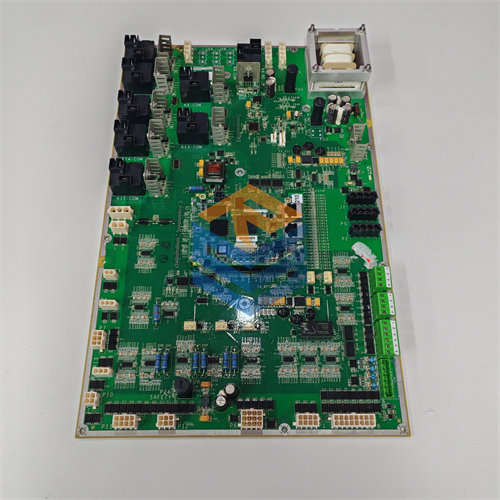
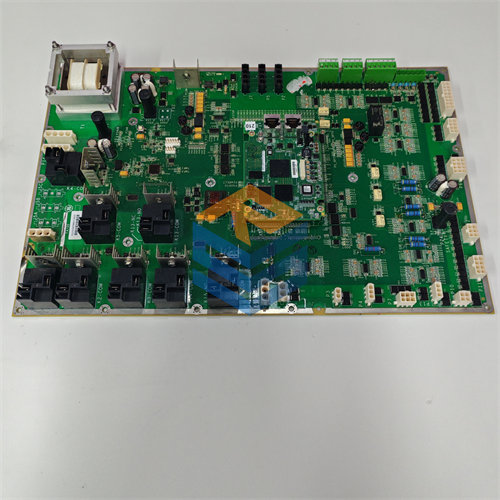
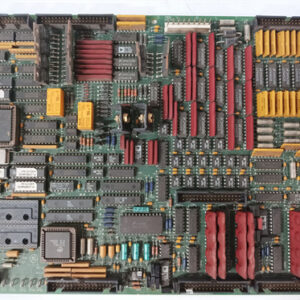
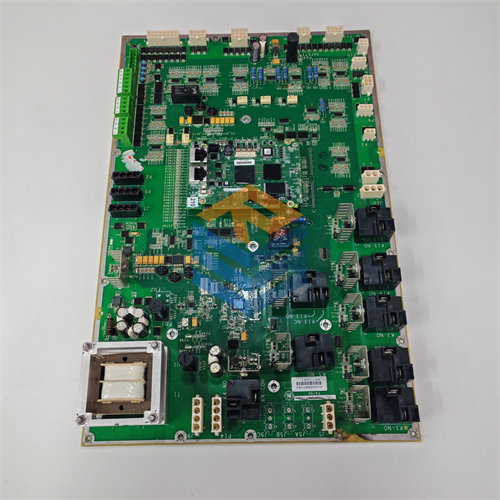
The GE DS200UDSAG1ADC is a Display/Keyboard Interface Board (UDSA) designed for use in the General Electric Speedtronic Mark V Turbine Control System, particularly within the associated Excitation Control System (such as the EX2000 or EX2100).1
Despite the common reference to it as an “Excitation Board,” its core function is to serve as the local operator interface for monitoring and controlling the generator excitation process.2
💡 Key Function and Features
The $\text{DS200UDSAG1ADC}$ is an evolution of the base $\text{DS200UDSAG1A}$ hardware, with the $\text{ADC}$ suffix indicating a specific minor hardware, artwork, or firmware revision.
| Specification/Feature | Description |
| Control System | GE Speedtronic Mark V Turbine Control System and associated Excitation Control Systems. |
| Function | Display/Keyboard Interface Board. It is the Human-Machine Interface (HMI) for local control and diagnostics of the excitation system. |
| Display Components | Typically includes multiple displays (such as 21 4-character displays or a dot matrix display with multiple rows) for providing real-time data on parameters like excitation levels, voltage, and alarms. |
| Input Interface | Features integrated keypads (e.g., 48 keys) for operator input, numerical entry, accessing local control modes, and running diagnostics. |
| Indicators | Equipped with numerous LEDs (often 32) to provide status feedback and visual indication of system health and faults. |
| Core Hardware | Contains a microprocessor (like the 80196) and EPROM modules (Erasable Programmable Read-Only Memory) to execute its display management, input scanning, and communication tasks. |
In short, the board acts as the bridge between the operator and the main control processor for the generator’s excitation (field current) regulation, which is essential for maintaining stable generator terminal voltage and overall grid stability.