
 +86 15340683922
 +86 15340683922
الوصف
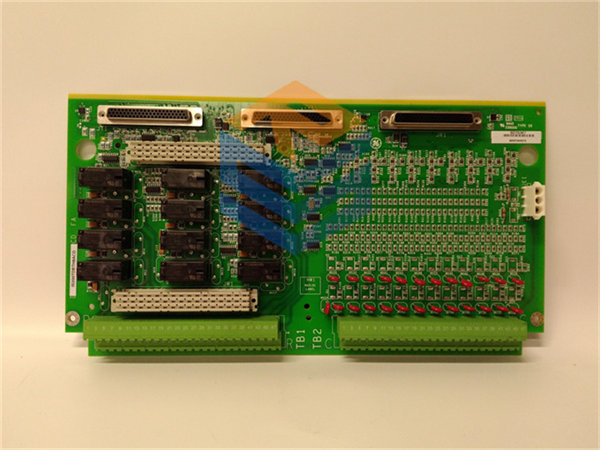
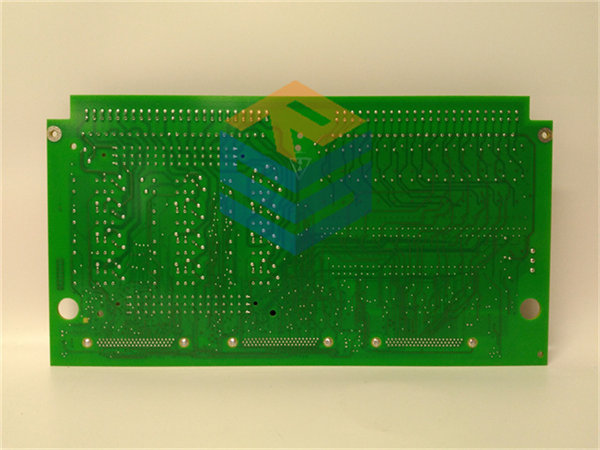
The GE DS2020CMB1206C8DDD88 is a Load Commutated Inverter (LCI) Board used as a component within a larger GE Drive or Turbine Control System.
It is a specialized printed circuit board that plays a key role in the operation of high-power, variable-speed drives, particularly for starting large synchronous machines like gas turbines.
⚡ Function and Application
The primary function of the DS2020CMB1206C8DDD88 board is to manage and control the Load Commutated Inverter (LCI) system.
- LCI Drives: The LCI is a type of variable frequency drive (VFD) that controls the speed and torque of large synchronous motors (or generators acting as motors) by providing variable-voltage, variable-frequency AC power.
- Turbine Startup: This board is typically used in the starting sequence for Gas Turbines. The LCI system acts as a static starter, accelerating the turbine rotor from a very low “turning gear” speed up to a speed where the turbine can ignite and sustain operation (often around 30% of rated speed).
- Control vs. Power: The board itself is part of the microprocessor-based control equipment that dictates the firing sequence of the power thyristors in the LCI power bridge.
🔍 Technical Context
The complex part number provides clues about its origin and characteristics:
- DS2020: This generally indicates the board belongs to the DS2000 family of boards, which are often associated with the legacy General Electric Speedtronic Mark V series or other high-power industrial drive systems.
- CMB1206C8DDD88: This extended alphanumeric string denotes the specific function (CMB for control module/board) and a specific revision or configuration, which can include details about the software and hardware revision levels of the control unit it’s designed for.
LCI Operation
The board’s control process includes two main stages of commutation:
- Forced Commutation: Used at very low speeds (e.g., below 10% of rated speed) where the motor’s back electromotive force (EMF) is too low to switch the current between thyristors.
- Load Commutation: Used at higher speeds (e.g., above 10% of rated speed), where the running motor/generator itself generates enough voltage (EMF) to naturally turn off one set of thyristors and turn on the next, making the system more efficient.
This board manages the transition and execution of these control modes to ensure smooth and precise acceleration of the turbine.