
 +86 15340683922
 +86 15340683922
الوصف
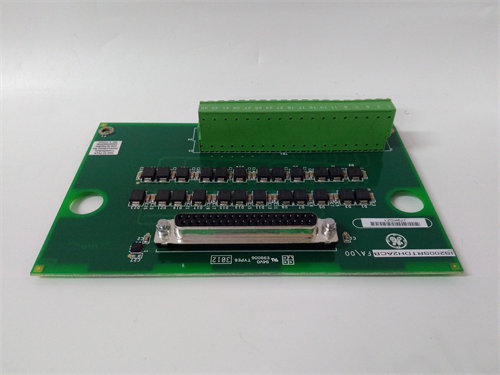
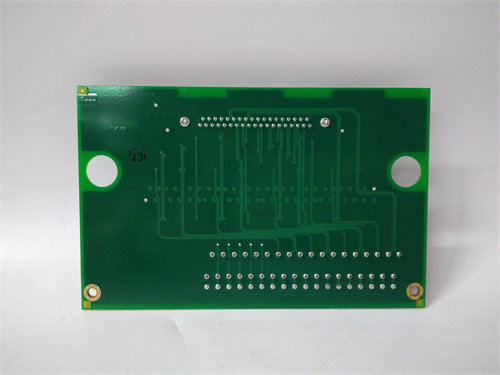
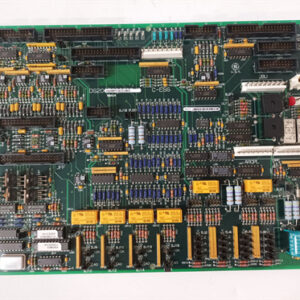
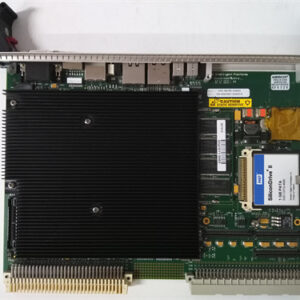
⚡️ GE DS215TCEAG1BZZ01A Emergency Overspeed Board Overview
The GE DS215TCEAG1BZZ01A is an Emergency Overspeed Board (TCEA), also referred to as the Protective Processor, used in the General Electric Speedtronic Mark V LM Series Gas Turbine Control Systems.
It is a crucial safety component that resides in the protective core (P1 core) of the control system and provides high-speed protective circuitry for the turbine.
⚙️ Primary Functions
The TCEA board performs several critical functions for safe turbine operation:
- Emergency Overspeed Protection: It monitors shaft speed via magnetic pick-ups and compares the calculated speed against configurable trip values (set using I/O configuration constants and hardware jumpers). If an overspeed condition is detected, it sends an emergency trip signal.
- Flame Detection: It processes signals from the Ultra Violet (UV) flame detectors, calculates flame intensity, and can also initiate a trip based on flame loss.
- Automatic Synchronization: It handles voltage and speed matching using embedded software to determine permission for the generator breaker to close.
The core typically utilizes three TCEA boards (labeled X, Y, and Z processors) for redundancy and voting logic.
📡 System Integration and Protection
- Redundancy: The three TCEA boards are part of a redundant system. Each TCEA sends an independent trip signal to a different relay on the Turbine Trip Board (TCTG). The TCTG board then performs a 2-out-of-3 vote (relay driver level voting) to decide whether to trip the unit.
- Communication: It uses the IONET for communication with the STCA board and the I/O Engine in the control core.
- Hardware: The board is microprocessor-based and includes EPROM modules that contain the necessary firmware and programming instructions. It also features three fuses, approximately 30 configuration jumpers, and bayonet connectors.
If you are dealing with a faulty board, replacements are available, and repair services are commonly offered by specialized industrial control component vendors. When replacing the board, the PROM/EPROM modules from the original board typically need to be moved to the new replacement.