
 +86 15340683922
 +86 15340683922
الوصف
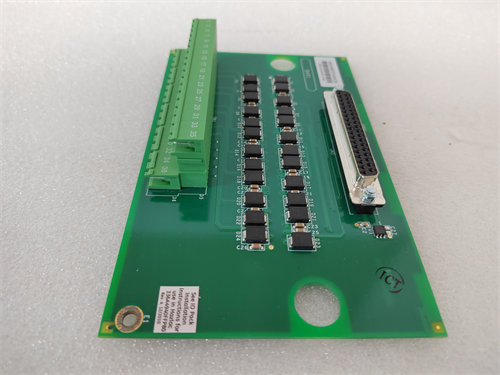
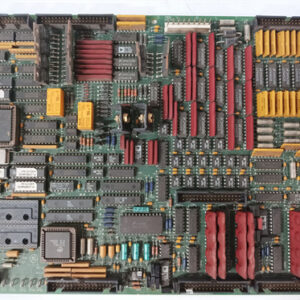
The GE IS200AEPCH1CCB is a highly specialized Printed Circuit Board (PCB) from the General Electric Mark VI Speedtronic Turbine Control System. It is dedicated to complex control functions, specifically acting as the Alternative Energy Pitch Center Module (AEPC).
This board’s primary role is critical control and communication for wind turbine blade pitch systems. It ensures both optimal energy production and safe operation of the turbine.
🌬️ Core Function: Wind Turbine Pitch Control
The IS200AEPCH1CCB is the central interface for managing the mechanisms that adjust the angle of wind turbine blades. This process, known as pitch control, is vital because it:
- Optimizes Power Output: It continuously adjusts the blade angle to maintain the most efficient aerodynamic profile for maximum energy generation across varying wind speeds.
- Ensures Safety: In high wind conditions or during an emergency shutdown, the board commands the blades to “feather” (turn out of the wind) to limit rotor speed and prevent catastrophic damage to the turbine.
🛠️ Technical Specifications and Design
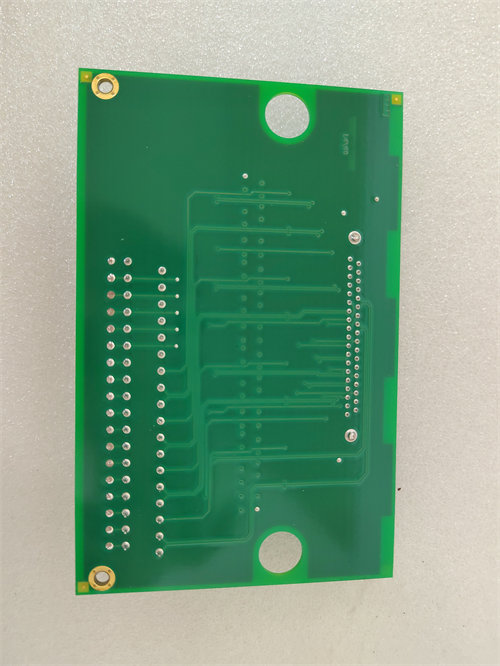
The AEPC board is a “Normal Assembly” PCB (IS200 series), designed for internal mounting within the control cabinet, usually secured by drill holes, and often features a smaller daughterboard mounted to its center.
- System Family: GE Mark VI Speedtronic Turbine Control System.
- Application: Primarily Wind Turbine Control Systems.
- Design: Rectangular PCB without a faceplate. It features a factory-mounted auxiliary board containing high-speed logic circuits like FPGAs (Field-Programmable Gate Arrays).
- Power Input: Typically requires a 24V DC, 8A power input.
- Communication: Includes specialized interfaces like RS-422 for reliable data exchange with local pitch motor drives or actuators.
- Environmental Protection: The revision code, including the ‘C’ suffix, often confirms that the board is Conformal Coated for enhanced protection against moisture, dust, and contaminants common in industrial and outdoor environments.
- Revision: The suffix H1CCB specifies the exact hardware and firmware revision, which is crucial for replacement compatibility.
⚠️ Important Considerations for Replacement
- Revision Match is Critical: The H1CCB suffix is a highly specific production and firmware release. You must match this revision exactly when replacing the board to guarantee compatibility with the Mark VI system’s application code and prevent failures in the critical pitch control loop.
- Expert Handling: Given its role in a safety-critical system and its high density of integrated circuits, the board requires expert installation and strict adherence to Electrostatic Discharge (ESD) procedures.