
 +86 15340683922
 +86 15340683922
الوصف
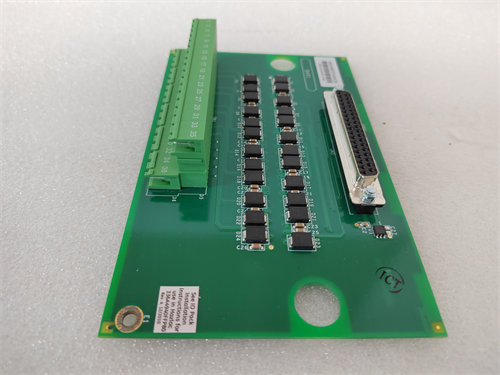
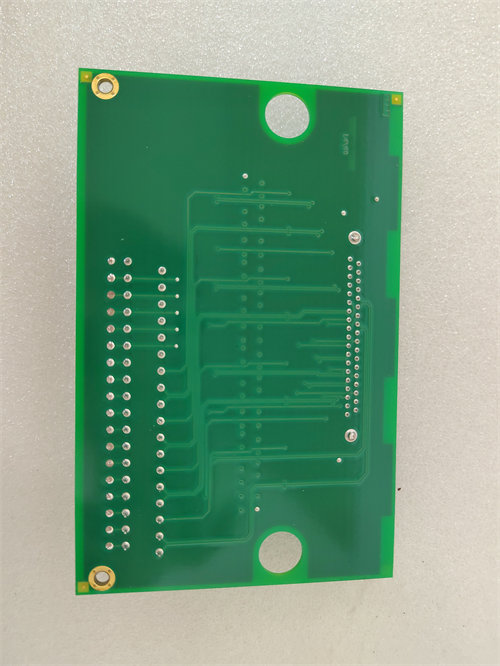
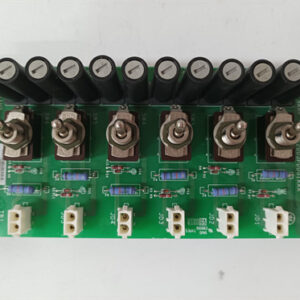
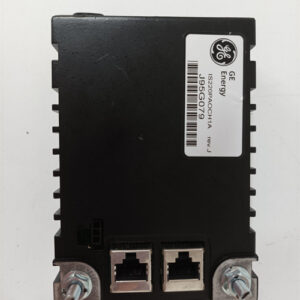
The GE IS200EXHSG1 (EXHS, or Exciter High-Speed Relay Driver Board) is a vital printed circuit board used in GE’s EX2100 Excitation Control System.
This system is used to regulate the field current of large generators in gas and steam turbine applications, ensuring stable and reliable power output.
⚡ Core Function and Role
The primary function of the IS200EXHSG1 is to act as a high-speed relay driver and a crucial interface between the main controller and the high-power devices in the exciter cabinet.
Its key roles include:
- Relay Driving: It provides the necessary electronic drivers for key DC contactors (41) and various pilot relays used for excitation control. This is a high-speed function, meaning it responds very quickly to control commands to maintain generator stability.
- Field Flashing Control: It contains the pilot relays for the field flashing relays (53A and 53B), which are essential for initially establishing the magnetic field in the generator rotor before the main excitation system takes over.
- De-Excitation Control: It includes the pilot relay for the de-excitation relay (KDEP), which is critical for safely and quickly collapsing the generator’s magnetic field when a shutdown or trip is required, protecting the machine from overvoltage.
- Signal Conditioning: It conditions and routes status signals—including de-excitation and crowbar status signals—to the main Exciter Main Input/Output (EMIO) board(s) for monitoring and processing by the main controller.
The “High-Speed” designation emphasizes its role in performing critical protective functions that require extremely fast response times.
⚙️ Technical and System Details
- System: EX2100 Excitation Control System (often associated with the Mark VI and Mark VIe series).
- Type: Exciter High-Speed Relay Driver Board (Functional Acronym: EXHS).
- Wetting Voltage: The board typically supplies 70 VDC for wetting the auxiliary contacts (such as 41, 53A, and 53B) to ensure reliable contact input monitoring.
- Connectivity:
- It uses ribbon cable connectors (e.g., J505) to connect to the EMIO boards (IS200EMIO) via the Exciter Backplane Board (EBKP).
- The G1 variant of the EXHS board is typically used in redundant control applications (M1, M2, and C controllers) and is configured for contactor mode.
- Relays: The board itself contains multiple relays (often seven), which are typically marked with suffixes like M1, M2, or C, indicating their role in a redundant control configuration.
The EXHS board is physically installed within the control cabinet, facilitating the necessary low-level control of the high-power switching components in the excitation system.