
 +86 15340683922
 +86 15340683922
الوصف
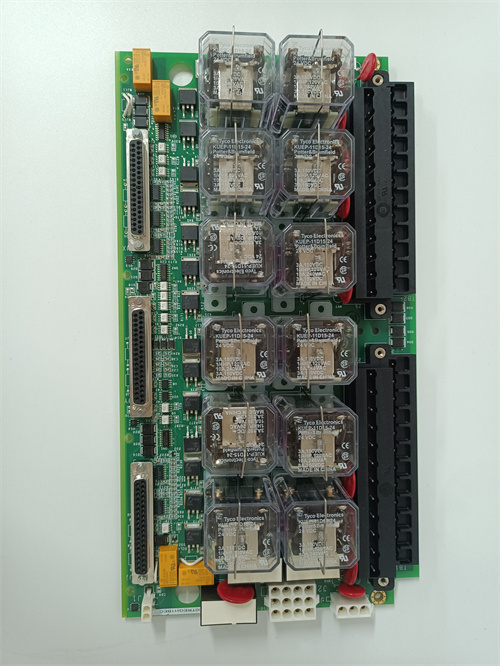
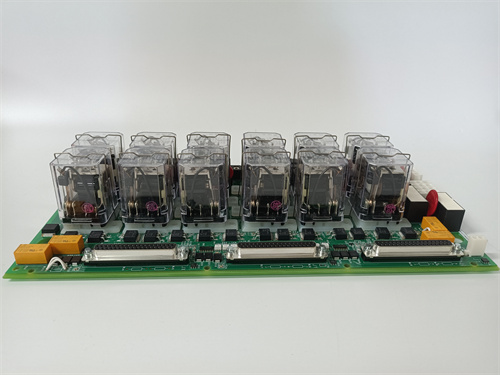
The GE IS200EXIBG1AAA Exciter Bridge Interface Board (EXIB) is a vital printed circuit board used within the GE EX2100 Excitation Control System, which is frequently integrated into the larger Mark VI and Mark VIe turbine control platforms.
Its core function is to act as the essential link between the low-voltage control electronics and the high-voltage power components (the exciter bridge) that regulate the generator’s field current.
⚡ Primary Functions
The EXIB board is primarily responsible for two critical roles related to controlling the generator’s field current via the Silicon Controlled Rectifier (SCR) bridge:
- SCR Gating (Firing Commands): The board receives the precise digital firing pulse commands from the main exciter control board (often an EXIC or similar controller) and processes them to generate the high-current, isolated signals necessary to fire the SCRs in the exciter power bridge. This controlled firing is what regulates the output voltage and current to the generator’s field winding.
- Feedback and Monitoring: It acts as a sensor interface, providing crucial feedback to the control system for closed-loop regulation and protection. Key signals monitored and conditioned by the EXIB include:
- Current Feedback: Generator field current and/or bridge current.
- Voltage Feedback: AC/DC voltage levels across the bridge.
- SCR Bridge Status: Monitoring the health of the power section.
- Metal Oxide Varistor (MOV) Fuse Loss Detection: Detecting faults in the protection circuitry.
By managing the firing signals and collecting real-time feedback, the EXIB ensures stable voltage regulation, smooth generator performance, and rapid protection in the event of a fault.
⚙️ Technical and System Context
- System Series: EX2100 Excitation Control System.
- Application: Excitation control for large gas and steam turbine generators.
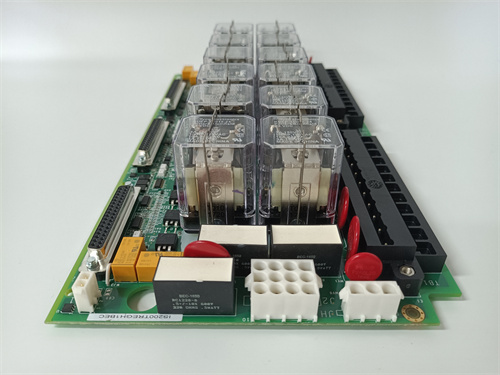
- Physical Features: The board is often robustly built for high-power environments, sometimes including heatsinks to manage heat generated from the gate current amplifiers and driver circuits.
- Safety and Isolation: It provides crucial electrical isolation between the low-voltage control circuits (protecting the sensitive electronics) and the high-voltage power bridge.
- Revision: The G1AAA suffix denotes the specific version, or revision, of the board within the product line.
The IS200EXIBG1AAA is typically mounted within the excitation control cabinet (Auxiliary Cabinet), physically positioned near the high-power bridge components to minimize cable length for the critical firing signals.